
Horse Chestnut Leaf Miner
Overview
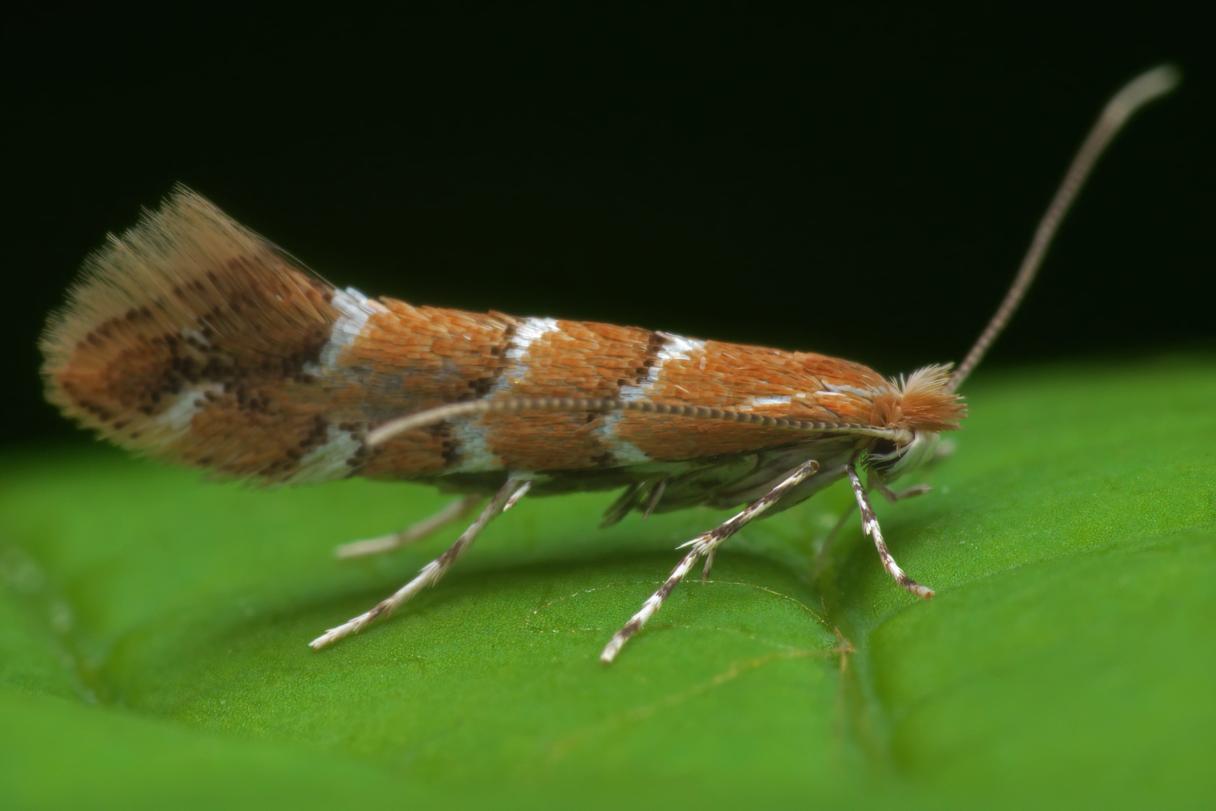
The horse chestnut leaf miner is a small moth whose larvae cause distinctive damage to horse chestnut trees (Aesculus hippocastanum). The adult moth is tiny, measuring just 3-5 mm in length with silvery-brown patterned wings, making it easily overlooked. However, the damage caused by its larvae is highly visible and has become a widespread concern for horse chestnuts across Europe. The larvae feed within the leaf tissue, creating characteristic brown blotches that can affect entire tree canopies by late summer. While the pest primarily attacks the common horse chestnut, it can also affect red horse chestnut (Aesculus carnea) and other Aesculus species, though white-flowered varieties tend to be most severely impacted.
Geographic Distribution
First identified in Macedonia in the 1980s, the horse chestnut leaf miner has spread rapidly across Europe over the past three decades. It now occurs throughout most of central and western Europe, including the UK, Spain, Italy, France, Germany, Netherlands, Belgium, and extending into Scandinavia and eastern European countries. The pest has also been detected in parts of Russia and continues to expand its range. The speed of its spread—sometimes covering hundreds of kilometers per year—has been attributed to both natural dispersal and inadvertent human transport of infested leaf material. Horse chestnuts in urban parks, street plantings, and ornamental landscapes have been particularly affected, altering the appearance of these iconic trees during the growing season.
Life Cycle & Damage
The horse chestnut leaf miner typically produces 2-3 generations per year in most of Europe, though warmer regions may experience up to four generations. Adult moths emerge in spring and lay eggs on the upper surface of horse chestnut leaves. The larvae hatch and immediately burrow into the leaf tissue, where they feed between the upper and lower leaf surfaces—a feeding strategy known as leaf mining. Each mine initially appears as a small, pale spot but expands as the larva grows, eventually forming irregular brown blotches.
As the season progresses and successive generations emerge, damage accumulates until heavily infested trees display extensive browning and premature leaf loss. Individual leaves may contain multiple mines from different larvae, and by late summer, entire canopies can appear scorched or autumnal. The larvae pupate within the mined leaves, and the final generation overwinters as pupae in fallen leaf litter, emerging the following spring to restart the cycle.
While the damage is primarily aesthetic, severe repeated infestations can weaken trees over time by reducing their photosynthetic capacity. Affected trees may show reduced growth, smaller leaves in subsequent years, and potentially increased susceptibility to other stresses. However, the pest rarely kills mature, established trees directly.
Detection & Monitoring
Horse chestnut leaf miner is relatively easy to detect due to its distinctive damage pattern. Early signs appear in late spring or early summer as small, pale patches on leaves—these are the initial mines. As larvae develop, these patches turn brown and coalesce into larger blotches. Holding affected leaves up to light reveals the thin, translucent areas where larvae have consumed the internal leaf tissue.
Monitoring should begin in spring when leaves first flush, checking for the earliest signs of mining activity. Pheromone traps can be used to monitor adult moth populations and help time management interventions, though these are more commonly used in research or area-wide management programs than in individual tree care. The extent of damage typically becomes most apparent from mid-summer onward, when cumulative mining from multiple generations becomes visible across the canopy.
Management & Treatment
Managing horse chestnut leaf miner presents challenges due to the pest's rapid reproduction and the difficulty of achieving effective coverage on large trees. No single control method provides complete protection, and management strategies must be tailored to the value and setting of affected trees.
Cultural control focuses on sanitation—removing and destroying fallen leaves in autumn eliminates overwintering pupae and can significantly reduce the following year's population. Leaves should be collected thoroughly and either burned, composted at high temperatures, or disposed of in ways that kill pupae. This approach works best when implemented across an area rather than on individual trees, as moths can fly in from untreated nearby trees.
Systemic insecticides applied as trunk injections or soil drenches can protect trees when applied in spring before or just as leaves emerge. These treatments may need annual repetition in areas with high pest pressure. Foliar sprays are generally less effective and impractical for large trees, though they may have some utility on smaller specimens if applied early and repeated to target successive generations.
Biological control shows promise in some regions—several parasitoid wasps naturally attack the leaf miner and may help suppress populations, though they rarely provide complete control. Research into resistant horse chestnut varieties is ongoing, with some red-flowered cultivars showing reduced susceptibility.
For high-value ornamental trees in prominent locations, a combination of autumn leaf removal and preventive insecticide trunk injection treatment may be justified. However, for many established landscape trees, accepting some level of aesthetic damage while maintaining overall tree health through proper watering and care may be the most practical approach.