
Red Palm Weevil
Overview
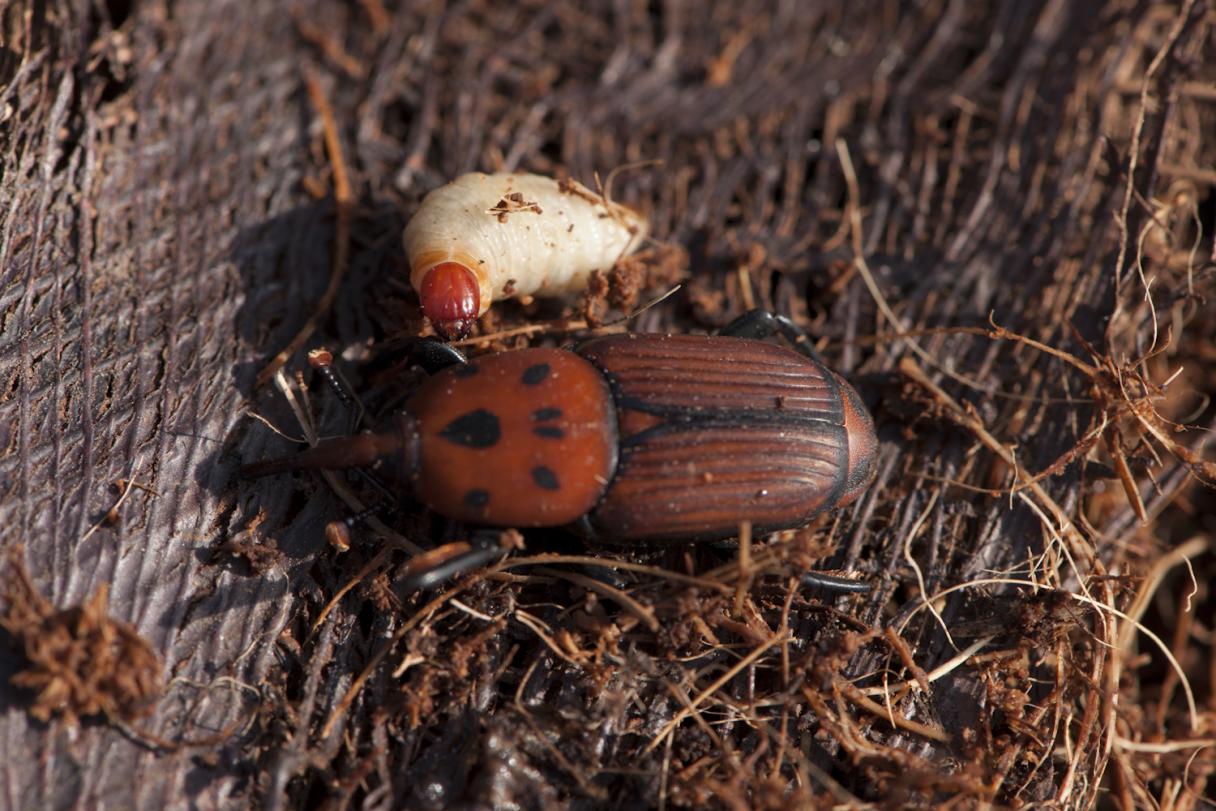
The red palm weevil (RPW) is one of the most destructive insect pests affecting palm trees worldwide. This reddish-brown beetle, measuring 2-5 cm in length, has earned its reputation as a devastating pest due to its ability to remain undetected until significant internal damage has occurred. Native to tropical Asia, RPW has spread aggressively across palm-growing regions, threatening both commercial plantations and ornamental landscapes. The pest primarily affects Canary Island date palms (Phoenix canariensis), date palms (Phoenix dactylifera), coconut palms, and various ornamental palm species.
Geographic Distribution
Originally confined to Southeast Asia and Melanesia, the red palm weevil has expanded its range dramatically since the 1980s. It now infests palm populations across the Middle East, Mediterranean Basin (including Spain, Italy, and Greece), North Africa, and parts of the Caribbean. The pest's spread has been largely facilitated by the international trade of infested palm material. In recent years, RPW has become established in several European countries, raising concerns about its potential impact on ornamental palm landscapes in urban environments and tourism-dependent regions.
Life Cycle & Damage
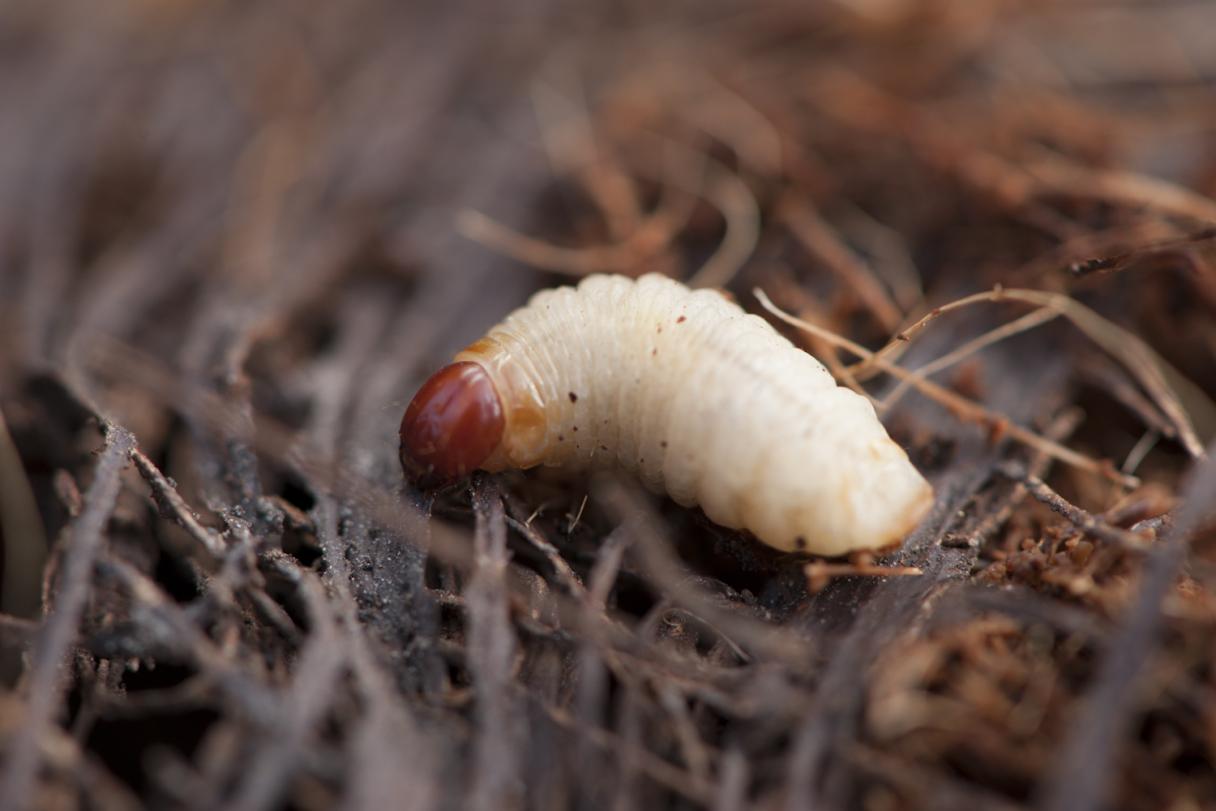
Adult female weevils deposit eggs in wounds or crevices on palm trees, with each female capable of laying 200-300 eggs during her lifetime. Upon hatching, the cream-colored larvae bore into the palm tissue, creating extensive galleries within the trunk and crown. This internal feeding causes the most significant damage, as larvae consume the soft, growing tissue at the heart of the palm. The life cycle from egg to adult takes approximately 3-4 months, depending on temperature, allowing multiple generations per year in warm climates.
Symptoms often appear late in the infestation cycle. Early signs include yellowing and wilting of young fronds, oozing of brown fluid from the trunk, and the presence of chewed fibrous material near the crown. As damage progresses, the crown may collapse entirely, and infested palms emit a characteristic fermented odor. By the time external symptoms are visible, internal damage is typically extensive and often irreversible.
Red Palm Weevil Larvae
Detection & Monitoring
Early detection is critical for effective management. Regular visual inspections should focus on the crown area and any wounds or pruning sites on the trunk. Pheromone traps baited with aggregation pheromone and plant volatiles serve as essential monitoring tools, helping detect adult weevil presence before widespread infestation occurs. Some professionals also use acoustic detection devices that pick up the sound of larvae feeding within the trunk, though this technology requires specialized training.
Pay particular attention to recently transplanted palms, those with mechanical damage, or trees that have undergone recent pruning—all create entry points for weevils. Palms showing unexplained wilting, off-center crowns, or tunnelling holes in the trunk warrant immediate closer examination.
Management & Treatment
Effective RPW management requires an integrated approach combining prevention, monitoring, and targeted intervention. Preventive measures include avoiding unnecessary wounds to palms and proper sanitation of pruning tools. When moving palms, inspect them thoroughly and consider quarantine periods before introducing them to new locations.
For treatment of infested trees, early intervention is essential. Systemic insecticides can be applied as trunk injections, though efficacy depends on catching the infestation early. Severely infested palms often require removal and destruction to prevent weevil spread to neighbouring trees. Any removed material must be chipped, burned, or buried to kill all life stages. Mass trapping programs using pheromone traps can help reduce local populations but work best as part of an area-wide management strategy rather than as a standalone solution.
In commercial settings and high-value landscapes, preventive insecticide applications may be justified, particularly in areas with known RPW pressure. However, always follow local regulations regarding pesticide use and consider consulting with tree care professionals or agricultural extension services for region-specific recommendations.